Friday, May 3, 2019

Vitamin C serum, how it benefits your skin


If you want to look like a 20-something well into your 40’s, do something more than pray that your youthful good genes kick in. Commit to using anti-aging vitamin C serum to help maintain a healthy, youthful complexion long into the future.


Ideal for women of all ages and skin types, skincare benefits of vitamin C serum are numerous, beginning with the most popular – it helps to reduce the appearance of fine lines/wrinkles.

PROMOTES COLLAGEN PRODUCTION
The bane of any woman’s existence is fine lines and wrinkles. But rather than give into the abyss of aging, the regular use of vitamin C products can combat their very appearance because of their concentrated levels of antioxidant-rich vitamin C, which helps boost collagen production, filling in fine lines and wrinkles. As a result, you may find that you have more youthful-looking skin without the need for an expensive and potentially risky cosmetic work!

PROTECTS SKIN FROM SUN DAMAGE
In addition to its anti-aging benefits, topical vitamin C is also great for protecting your skin from damage—especially from the sun's UVA and UVB rays. That's because vitamin C is an antioxidant, so it naturally helps to strengthen your skin and repel things that could damage it. Of course, topical vitamin C should not be considered an alternative to wearing sunscreen, but when combined with regular sunscreen application, it can really work wonders for your skin.

REDUCES UNDER-EYE CIRCLES
Vitamin C has also been found to help even out skin tone and reduce the appearance of under-eye circles. This is great for those who are tired of trying to conceal the dark circles under their eyes and want to enjoy a more youthful, bright, and vibrant appearance.

SPEEDS UP HEALING
Studies have also found that high levels of Vitamin C can help to speed up the body's natural healing processes. This makes it ideal for use on the face and other areas of skin, as it can help to heal small cuts, acne scars, and other blemishes more quickly and effectively.

REDUCES SKIN DISCOLORATION
If you suffer from skin redness or other discoloration of the skin, then a quality vitamin C serum may also be able to help you achieve a more uniform skin tone and better complexion. Specifically, vitamin C is great for reducing embarrassing redness. With just a few uses, you may find that you have a more even skin tone.

KEEPS SKIN LOOKING YOUNGER
No matter what your age, it's always a good idea to be pre-emptive about avoiding wrinkles, sagging skin, fine lines, and other signs of aging. Vitamin C can help your skin look younger for longer, not only by stimulating collagen production, but by evening out your skin tone and brightening your complexion as well.

IMPROVES HYDRATION AND MOISTURE
If you suffer from dry skin, vitamin C is a must. This is especially true if you have tried using moisturizers and creams in the past, only to find that your skin is still dry and flaky. With topical vitamin C products, you can enjoy the high concentration of vitamins that your body truly needs to improve moisture content and overall hydration.

CREATES BRIGHTER, HEALTHIER SKIN
In addition to improving your skin's overall complexion, vitamin C can brighten otherwise dull skin, allowing it to look healthier and more vibrant. Strong concentrations of this vitamin leave the skin looking and feeling replenished and revitalized.

REDUCES INFLAMMATION
It has also been found that vitamin C, in high enough concentrations, has inflammation-reducing qualities. This is ideal for people who tend to wake up in the morning with unsightly puffiness around the eyes or other areas of the skin/face. A little bit of vitamin C serum can go a long way here.

SPEEDS UP HEALING OF SUNBURN
Finally, in addition to protecting your skin from sun damage, vitamin C can also be effective in helping to speed up healing of sunburns. Apply some after you have been sunburned, and the vitamins will help to promote faster healing so you can get rid of redness and find relief from itching, burning, and other symptoms associated with sunburn.
These are just some of the many benefits of vitamin C as it pertains to your skin and face. And while it's easy to go out and find lotions, cremes, and other moisturizers at your local drug store that claim to contain vitamin C, it's important to realize that your skin needs a very high concentration of this vitamin in order to see results. This is why you're encouraged to use concentrated serums rather than a basic creme or lotion.


ABOUT VITAMIN C SERUM

Vitamin C is an essential vitamin that the body needs for a number of reasons. However, it proves most beneficial to the skin, particularly around the face. For this reason, many people these days use skin-care products that contain vitamin C, such as concentrated vitamin C serums that are designed for use on sensitive facial skin.
Essentially, vitamin C serum is glycerol- and water-based liquid that contains highly concentrated amounts of vitamin C. Serums are different from cremes and other products with vitamin C because of the significantly higher concentrations, which allow people to get the most out of the product and see more noticeable results.

WHY USE IT?
Many people opt for topical vitamin C as opposed to other chemical serums and skincare products because vitamin C serum is completely natural. There is no concern about how your skin is going to react because there are no harsh chemicals or other questionable ingredients. As a result, vitamin C serums are formulated and infused to be gentle enough for everyday use. The same simply cannot be said of many other skincare products on the market.

HOW TO USE IT
The best way to use a topical vitamin C is to simply apply a small amount of it once or twice a day (depending on your skin type) to clean dry skin. It should be applied before you begin applying your makeup (give it time to dry), but after you use your daily facial toner (should you choose to use one). From there, simply continue with your regular makeup and skincare routine.

Thursday, May 2, 2019

How do retinol creams work?


Retinols are pretty much the gold standard in improving some of our most annoying skin complaints.
Vitamin-A based skincare products contain the best anti-aging ingredient on the market. Unlike other solutions that simply mask the symptoms of skin aging, retinol actually fixes the cause by preventing and repairing skin damage at a cellular level.
That means retinol-treated skin doesn’t just look younger it actually is younger. Paired with a good moisturizer, you can expect to see significant results.

So What is Retinol?

The retinoid family of molecules is made up of Vitamin A derivatives. Retinol is an ingredient in the retinoid family.

How does it work?

Retinoids work to improve the skin on several levels.
The short answer is that retinoid products work by causing skin cells to turn over and die. This increase in skin cell turnover helps our pores stay clear, which is why retinol is such a great acne-fighting ingredient. It can even help with acne scarring.
But skin that more readily turns over also looks better in terms of tone and texture, a couple of the physical markers we associate with aging.
Retinoids also increase collagen production, which in turn helps our skin look plump and young. This decreases wrinkles by thickening the skin from the inside out.

Niacinamide B3 


Niacinamide B3 can help tighten pores, fight signs of aging, lighten dark spots, even control acne.

When applied on the skin, niacinamide can increase natural lipids while decreasing water loss.
Niacinamide may also be anti-inflammatory, and therefore beneficial for those with acne and rosacea. Even better, it fights signs of aging, can lighten the appearance of melasma and dark spots and works as an effective anti-aging ingredient.
One important thing to note: Niacinamide shouldn't be used simultaneously with skincare products that contain vitamin C. Niacinamide turns into niacin when mixed with vitamin C.
Although not harmful, niacin is a substance that can cause short-term effects such as skin redness and tingling in people with sensitive skin. As long as you apply the two formulas at different times, though (such as vitamin C serum in the morning and niacinamide serum at night), you don't need to worry

Saturday, April 27, 2019

The Benefits of L-Glutathione not just a skin lightener


Glutathione Benefits
Glutathione is an antioxidant produced in cells. It’s comprised largely of three amino acids: glutamine, glycine, and cysteine.
Glutathione levels in the body may be reduced by a number of factors, including poor nutrition, environmental toxins, and stress. Its levels also decline with age.

Reduces oxidative stress
Oxidative stress occurs when there’s an imbalance between the production of free radicals and the body’s ability to fight them off. Too-high levels of oxidative stress may be a precursor to multiple diseases. These include diabetes, cancer, and rheumatoid arthritis. Glutathione helps stave off the impact of oxidative stress, which may, in turn, reduce disease.
Glutathione deficiency leads to increased levels of oxidative stress, which might lead to cancer. It also stated that elevated glutathione levels raised antioxidant levels and resistance to oxidative stress in cancer cells.
Reduces cell damage in alcoholic and non-alcoholic fatty liver disease
Cell death in the liver may be exacerbated by a deficiency in antioxidants, including glutathione. This can lead to fatty liver disease in both those who misuse alcohol and those who don’t. Glutathione has been shown to improve protein, enzyme, and bilirubin levels in the blood of individuals with alcoholic and non-alcoholic chronic fatty liver disease.
Orally administered glutathione has positive effects on people with the non-alcoholic fatty liver disease following proactive lifestyle changes.
Improves insulin resistance in older individuals
As people age, they produce less glutathione. Researchers used a combination of animal and human studies to explore the role of glutathione in weight management and insulin resistance in older individuals. Study findings indicated that low glutathione levels were associated with less fat burning and higher rates of fat-storing in the body.
Older subjects had cysteine and glycine added to their diets to increase glutathione levels, which spiked within two weeks, improving insulin resistance and fat burning.
Increases mobility for people with peripheral artery disease
Peripheral artery disease occurs when the peripheral arteries become clogged by plaque. It most commonly happens in the legs. One study reported that glutathione improved circulation, increasing the ability of study participants to walk pain-free for longer distances.
Reduces symptoms of Parkinson’s disease
Parkinson’s disease affects the central nervous system and is defined by symptoms such as tremors. It currently has no cure. Glutathione may help reduce symptoms, improving the quality of life in people with this disease.
May help fight against autoimmune disease
The chronic inflammation caused by autoimmune diseases can increase oxidative stress. These diseases include rheumatoid arthritis, celiac disease, and lupus. Glutathione helps reduce oxidative stress by either stimulating or reducing the body’s immunological response. Autoimmune diseases attack the mitochondria in specific cells. Glutathione works to protect cell mitochondria by eliminating free radicals.
May reduce the impact of uncontrolled diabetes
Long-term high blood sugar is associated with reduced amounts of glutathione. This can lead to oxidative stress and tissue damage. A study found that dietary supplementation with cysteine and glycine boosted glutathione levels. It also lowered oxidative stress and damage in people with uncontrolled diabetes, despite high sugar levels. 
Glutathione contains sulfur molecules, which may be why foods high in sulfur help to boost their natural production in the body. These foods include:
·         cruciferous vegetables, such as broccoli, cauliflower, Brussels sprouts, and bok choy
·         allium vegetables, such as garlic and onions
·         eggs
·         nuts
·         legumes
·         lean protein, such as fish, and chicken
Other foods and herbs that help to naturally, boost glutathione levels include:
·         milk thistle
·         flaxseed
·         guso seaweed
·         whey
Glutathione is also negatively affected by insomnia. Getting enough rest on a regular basis can help increase levels.

Saturday, March 9, 2019

What you need to know about Ascorbic Acid (Vitamin C)


Vitamin C

Vitamin C, or ascorbic acid, is probably the best-known vitamin. It is most often associated with citrus fruit and is known for its ability to boost the immune system.

Vitamin C, or ascorbic acid, is probably the best-known vitamin. It is most often associated with citrus fruit and is known for its ability to boost the immune system, increasing the body's resistance to infections like cold and flu in winter.
But what many people don't know is that vitamin C is an antioxidant that performs a variety of roles in the body. It helps to promote healthy gums and teeth, aids in mineral absorption, and helps heal wounds.
This vitamin is also a water-soluble vitamin that is expressed quantitatively as milligrams.

What does it do for you?

Vitamin C is a powerful antioxidant that reacts with free radicals. Through this mechanism, the vitamin protects the body from the onslaught of cancer and other diseases of lifestyle.
The vitamin plays an important role in the formation of connective tissue, cartilage, bone matrix, tooth dentin, skin, and tendons - making it one of the cornerstones of the wound healing process.
Vitamin C is best known for its mechanism of increasing the body's resistance to infection. It also helps to keep the mucous membranes intact.

Which foods have vitamin C?

Papaya, guava, berries, green peppers, rose hips, broccoli, strawberries, kiwi fruit, citrus fruit such as oranges, lemons, and naartjies, cabbage and cauliflower.

How much vitamin C do you need?
The current RDA is 90mg for male adults and 75mg for female adults, but some nutritionists say that 1000mg of vitamin C a day can be taken safely over the long term. The tolerable upper intake limit (UL) is 2000mg per day.

How much is too much?

Taking more than 5 000mg (5g) or more may cause diarrhea

Signs of vitamin C deficiency
You’re likely to suffer from vitamin C deficiency if you smoke, are exposed to pollution, drink caffeine in any form, are under stress, are recovering from illness or surgery, take aspirin regularly or are over the age of 55.
and maybe harmful to the liver. People who suffer from kidney stones should also avoid large doses.
If you bruise easily, are susceptible to infections and colds, lack energy, have gums that bleed easily and have nosebleeds regularly, it’s likely that you need more vitamin C.

Research on vitamin C


Vitamin C supplements have been shown to reduce the risk of developing cataracts later in life.
Research also shows that vitamin C may help prevent heart disease and cancer.
People who eat a diet rich in this vitamin may also be at lower risk of suffering strokes, and smokers who do so may benefit the most, research shows.

Saturday, March 2, 2019

WHY WEAR SUNSCREEN EVERY DAY? TOP 5 REASONS TO WEAR SPFS DAILY!

WHY WEAR SUNSCREEN EVERY DAY? TOP 5 REASONS TO WEAR SPFS DAILY!


You may know that sunscreen is a good idea, especially if you spend plenty of time in the sun, but do you know why? If you haven't yet gotten in the habit of wearing sunscreen daily, take a look at these top tips for making it part of your routine.

1. SUNSCREEN PROTECTS EVERY SKIN TYPE

If you have a darker complexion, the melanin in your skin confers some natural protection from sunburns, but you still need protection from harmful ultraviolet rays. While people with fair skin are more likely to develop skin cancer due to sun exposure, people with dark skin tones are at risk of more serious kinds of cancer when they get it. The American Academy of Dermatology recommends that EVERYONE wear sunscreen daily for the safety of their skin.

2. MOST OF WHAT YOU CALL AGING IS REALLY YEARS OF SUN DAMAGE.

Dermatologists with the Skin Cancer Foundation estimate that 90 percent of visible aging comes not from the number of candles on your birthday cake but the hours you've spent in the sun. Wearing sunscreen daily saves your skin from years of visible damage later.

3. YOU HAVE MORE CHOICES AND BETTER APPLICATION METHODS THAN EVER.

Still, have images in your head of that stripe of pasty zinc oxide on your nose? Forget them. Modern zinc- and aluminum-based sunscreens use micronized particles for invisible sun protection. You can also opt for chemical sunscreens that interact with your skin's upper layers to provide hours of sun protection. These days you can spray it on, rub it in or smooth it over your skin with a rolling applicator.

4. THE SUN IS STRONG EVEN WHEN IT’S NOT SUNNY OUT!

Many people think they don't need sunscreen on overcast days or for brief stints in the sun, but for the ultraviolet rays that damage your skin, a little cloud cover means nothing. UV light penetrates clouds with ease, so you need protection even on cloudy days.

5. SUN DAMAGE IS CUMULATIVE.

Don't be fooled into thinking you can build up a safe tan; there's no such thing. Every exposure contributes to possible damage at the cellular level. Spare your skin tomorrow and wear your sunscreen today.

Friday, February 15, 2019

What is Glutathione and Why Do You Need it?


What is Glutathione and Why Do You Need it?


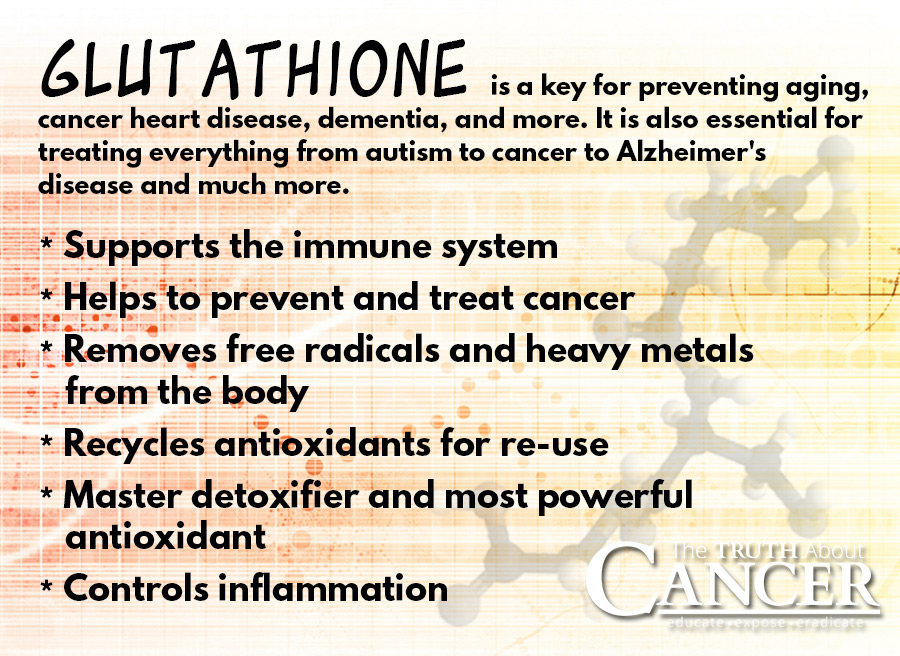
What is glutathione? It’s a very simple molecule that may well be the most important molecule you need to stay healthy and prevent disease. It’s key to preventing aging, cancer, heart disease, dementia, and other chronic diseases. It’s also essential for treating everything from autism to Alzheimer’s disease to cancer and much more.

What Glutathione is and What it Does

Glutathione is a combination of three simple building blocks of protein or amino acids − cysteine, glycine, and glutamine − and it is produced naturally in the body. It is called “the master antioxidant” because it can regenerate itself in the liver after each fill-up of free radicals and go back to work. Free radicals are often the byproduct of normal cellular metabolic oxidation and toxic overload. They can lead to autoimmune diseases, several types of cancer, and even heart attacks.
Keeping yourself healthy, boosting your performance, preventing disease, and aging well all depends on keeping glutathione levels high. It is critical for immune function and controlling inflammation. It is the master detoxifier and the body’s main antioxidant, protecting our cells and making our energy metabolism run well.
Research has shown that raised glutathione levels decrease muscle damage, reduce recovery time, increase strength and endurance, and shift metabolism from fat production to muscle development.
Glutathione is critical in helping the body’s first line of defense against disease and illness – the immune system − do its job of fighting infections. It further supports the immune system in preventing cancer and other illnesses. Studies have also shown that glutathione can help in the treatment of AIDS.
Glutathione is also essential for maintaining healthy cellular mitochondria. It is notable that damaged or malfunctioning cellular mitochondria are part of the cancer process. This occurs when exposure to toxins and unhealthy cellular terrain combine to trigger a cellular defensive response. During this process, healthy cells become cancer cells when they revert to a primitive form of respiration that uses glucose (sugar) instead of oxygen for respiration. They then refuse to die and keep multiplying.
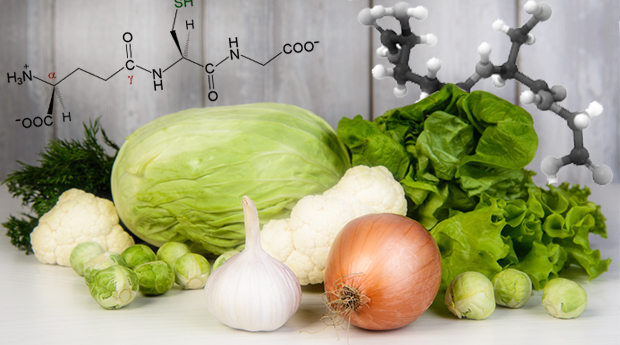
The secret of the power of glutathione may be the sulfur (SH) chemical groups it contains. Sulfur is a sticky, smelly molecule that acts to grab and help eliminate all the bad things in the body. Its stickiness allows it to capture damaging free radicals and toxins like mercury and other heavy metals.
As natural health author Paul Fassa wrote:
“Glutathione is critical for one simple reason: It recycles antioxidants. You see, dealing with free radicals is like handing off a hot potato. They get passed around from vitamin C to vitamin E to lipoic acid and then finally to glutathione which cools off the free radicals and recycles other antioxidants. After this happens, the body can “reduce” or regenerate another protective glutathione molecule and we are back in business.”
Dr. Mark Hyman calls glutathione the “mother of all antioxidants” and says that he has found glutathione deficiency to be common in virtually all the seriously ill patients he has treated. These include people with chronic fatigue syndrome, heart disease, cancer, chronic infections, autoimmune disease, diabetes, autism, Alzheimer’s disease, Parkinson’s disease, arthritis, asthma, kidney problems, liver disease, and more.
what-is-Glutathione-cellular-health-benefits

Glutathione Deficiency

The body forms glutathione naturally, but production decreases as we age. Toxins also decrease healthy glutathione levels. If you are sick, feeling old, or just not in peak shape, you likely have glutathione deficiency. The esteemed British medical journal, The Lancet, found the highest glutathione levels in healthy young people, lower levels in healthy elderly, lower still in sick elderly, and the lowest of all in the hospitalized elderly.
Normally, glutathione is recycled in the body − except when the toxic load becomes too great. When glutathione becomes depleted it can no longer protect against free radicals, infections, or cancer, and we can’t get rid of toxins. This leads to further sickness and soon we are in the downward spiral of chronic illness.

Active Glutathione is Known as GSH

Glutathione becomes inactive when it becomes saturated from doing its work of collecting free radicals, but it tends to regenerate itself in a healthy liver. Under ideal conditions, 10% of the glutathione remains inactive (or oxidized), while the other 90% is active. As the active glutathione (also known as GSH), drops below 90% and allows the inactive to increase beyond 10%, the struggle for optimum health begins to become a losing battle. When toxins build up, the GSH diminishes even more. When GSH falls below 70%, the immune system becomes critically compromised.

Foods & Supplements that Increase Glutathione Levels in Your Body

Certain foods contain precursors to help the liver produce more glutathione. These include sulfur-rich foods such as garlic, onions, and cruciferous vegetables (i.e. broccoli, kale, collards, cabbage, cauliflower, watercress), premium bioactive whey products, and colostrum.
The reason for using precursors to boost your liver’s ability to create healthy glutathione levels is that supplemental glutathione has issues with getting through the gastrointestinal (GI) tract intact without being degraded. A notable exception might be the new Aurora Mega-Liposomal Glutathione recently introduced by Vida Lifescience.
Exercise boosts glutathione levels and helps boost your immune system, improve detoxification, and enhance your body’s own antioxidant defenses. Start slow and build up to 30 minutes a day of vigorous aerobic exercise like walking or jogging, or play various sports. Strength training for 20 minutes, three times a week is also helpful.
Other supplements which can help increase healthy glutathione levels include:
  • A good all-around organic, whole-food derived nutritional supplement, such as Drucker Labs IntraMax.
  • N-acetyl-cysteine (NAC) has been used for many years to help boost glutathione. Time-release NAC is the best option for keeping levels high throughout the day.
  • Methylation nutrients, including folate, vitamin B6, and vitamin B12 are critical to keeping the body producing and recycling glutathione.
  • Selenium helps the body recycle and produce more glutathione.
  • The family of antioxidants which includes vitamins C and E (in the form of mixed tocopherols) work together to recycle glutathione
  • Milk thistle (silymarin) helps increase glutathione levels and is famed for its ability to cleanse, protect, and regenerate the liver.
It is also worth noting that alpha-lipoic acid is a close second to glutathione in importance in our cells. It is involved in energy production, blood sugar control, brain health, and detoxification.
We rely on health heroes like yourself to help us spread the word on this important, life-saving information. Please share it with friends below.

Article Summary

  • Glutathione is produced in the body and is a combination of three simple building blocks of protein or amino acids: cysteine, glycine, and glutamine.
  • It is called “the master antioxidant” because it can regenerate itself in the liver after each fill-up of free radicals and go back to work.
  • Research has shown that raised glutathione levels decrease muscle damage, reduce recovery time, increase strength and endurance, and shift metabolism from fat production to muscle development.
  • Glutathione is critical in helping the immune system do its job of fighting infections, and preventing cancer and other diseases.
  • Production of glutathione decreases as we age. Toxins also decrease healthy glutathione levels. The highest glutathione levels are in healthy young people, lower levels in healthy elderly, lower still in sick elderly, and the lowest of all in the hospitalized elderly.
  • Certain foods help the liver produce more glutathione. These include sulfur-rich foods such as garlic, onions, and cruciferous vegetables, premium bioactive whey products, and colostrum.
  • A number of supplement can help increase healthy glutathione levels including:
    • A good all-around organic, whole-food derived nutritional supplement
    • N-acetyl-cysteine (NAC). Time-release NAC is the best option for keeping levels high throughout the day
    • Methylation nutrients, including folate, vitamin B6, and vitamin B12
    • Selenium
    • The family of antioxidants which includes vitamins C and E (in the form of mixed tocopherols) work together to recycle glutathione
    • Milk thistle (silymarin) helps increase glutathione levels and is famed for its ability to cleanse, protect, and regenerate the liver